ME/CFS is a complex and debilitating disease with a wide range of symptoms, the cardinal feature being post-exertional malaise (PEM), where even minimal physical or mental exertion can lead to a worsening of symptoms. A growing body of biomedical research continues to uncover physiological differences between individuals with ME/CFS and healthy people.
This article highlights research exploring the core symptoms of ME/CFS: PEM, cognitive dysfunction, sleep dysfunction, and fatigue. To help you navigate this overview, you can jump directly to any of the key sections below:
Contents:
- Post-exertional malaise (PEM)
- Cognitive dysfunction (“brain fog”)
- Sleep dysfunction
- Fatigue
- Conclusion
Post-exertional malaise (PEM)
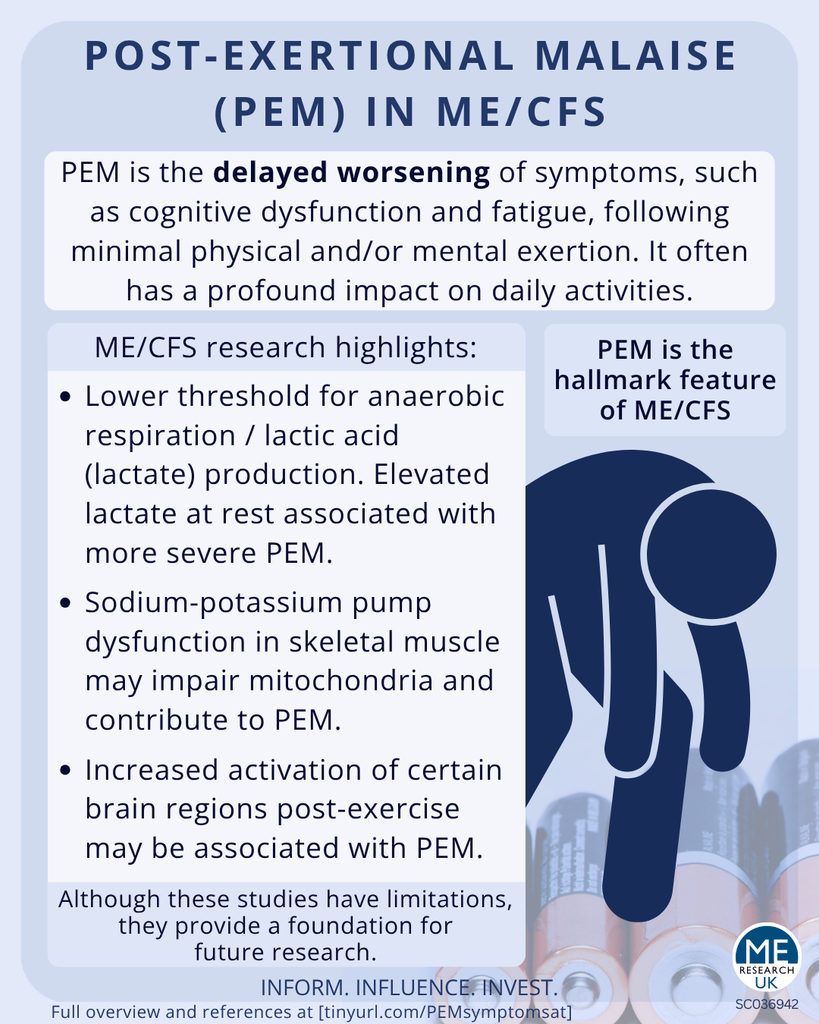
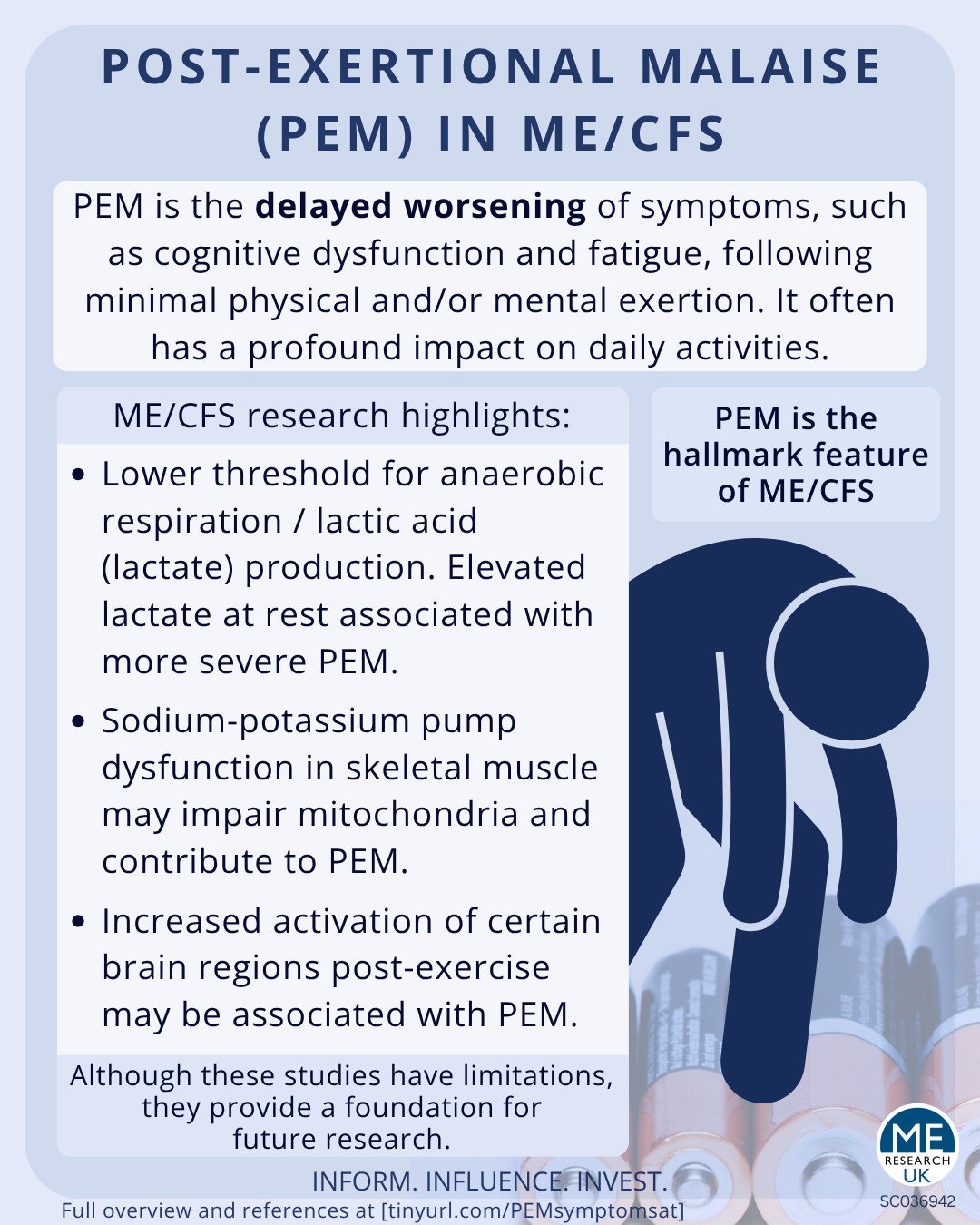
Post-exertional malaise (PEM), the cardinal feature of ME/CFS, is particularly debilitating as it involves the delayed worsening of symptoms, alongside the potential appearance of new ones, following minimal exertion.
Research into post-exertional malaise (PEM) spans multiple physiological systems, aiming to map out its clinical presentation, timing, and biological drivers. Qualitative and quantitative studies reveal that PEM is multi-dimensional, with broad manifestations such as exhaustion, cognitive difficulties, neuromuscular issues, sensory sensitivity, and headaches. Whilst patients frequently report immediate triggers, it has been postulated that rapid-onset flare-ups may be driven by orthostatic intolerance, whereas PEM is typically characterised by a more delayed response following exertion.
Underlying mechanisms potentially including factors such as mitochondrial dysfunction, abnormal lactate accumulation, metabolic issues, and blood vessel dysfunction. Additionally, brain imaging studies show abnormal brain activity shifts after exercise, and cardiopulmonary exercise testing (CPET) differentiates individuals with ME/CFS from healthy controls.
Read comprehensive overview of PEM including research study breakdown
Cognitive dysfunction
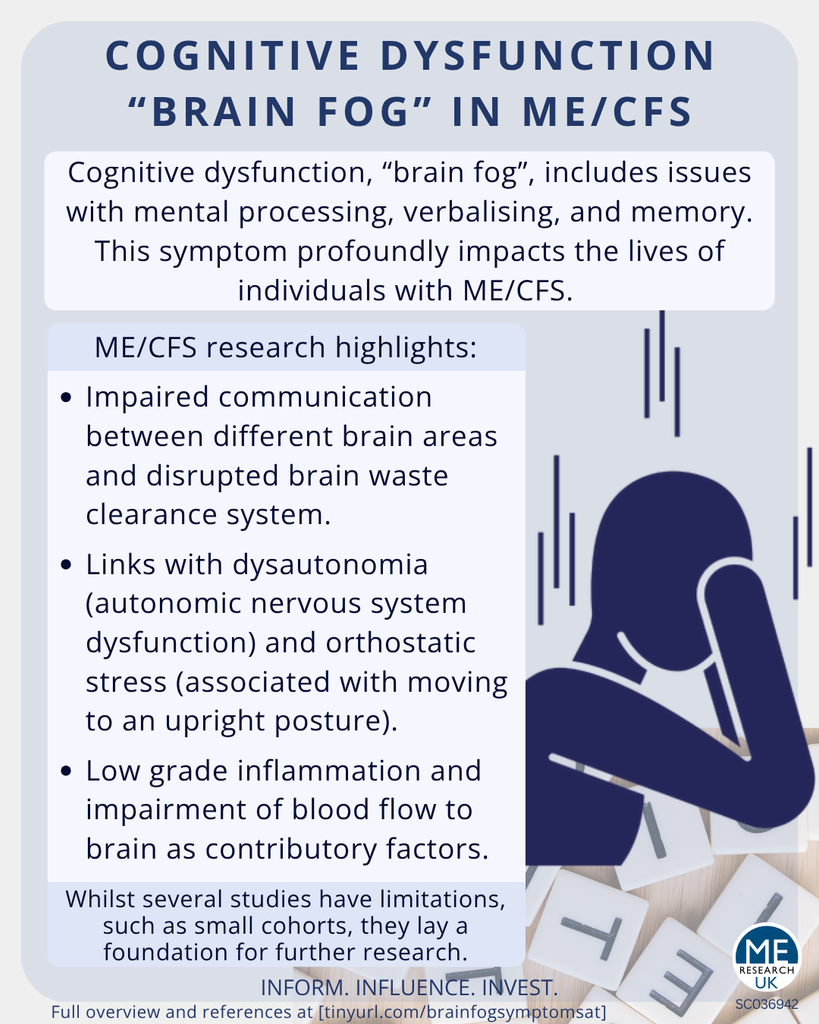
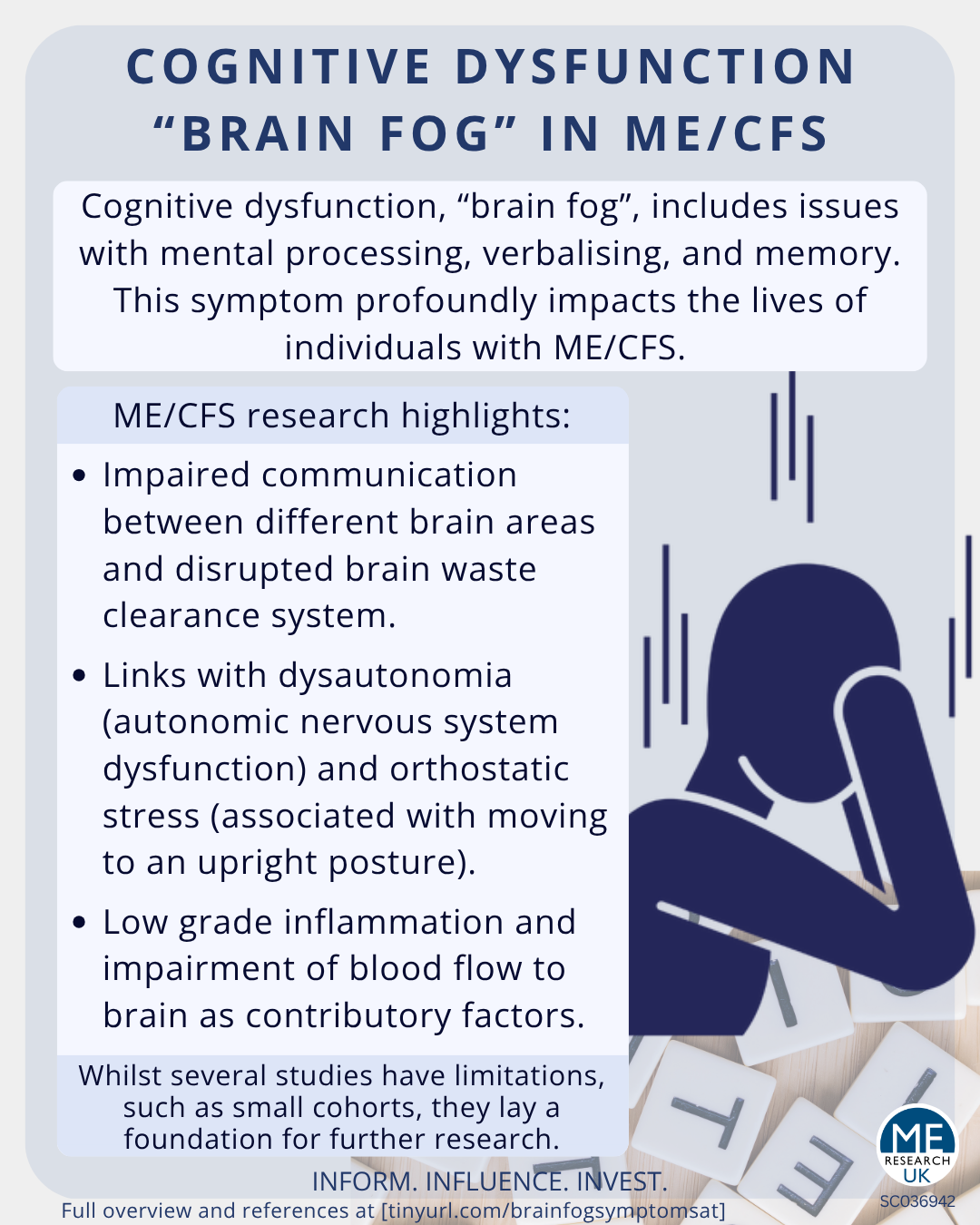
Cognitive dysfunction, frequently referred to as “brain fog,” is a distressing core symptom of ME/CFS that impacts processing speed, memory, and verbalisation. Research suggests in ME/CFS cognitive function is affected in a heterogenous manner, with varying impacts on domains such as visuo-spatial short-term memory, working memory, and attention.
In relation to the brain, potential drivers of cognitive symptoms in ME/CFS include impaired communication between certain brain regions and dysfunction of the glymphatic system responsible for brain waste clearance. Dysautonomia (dysfunction of the autonomic nervous system) may play a major role. Inducing orthostatic stress (physiological challenge when transitioning to an upright posture) through a head-up tilt test can worsen cognitive function.
Additional contributing factors include inflammation associated with certain proteins (pro-inflammatory cytokines), vascular (blood vessel-related) issues, and neurochemical shifts.
Read comprehensive overview of cognitive dysfunction including research study breakdown
Sleep dysfunction
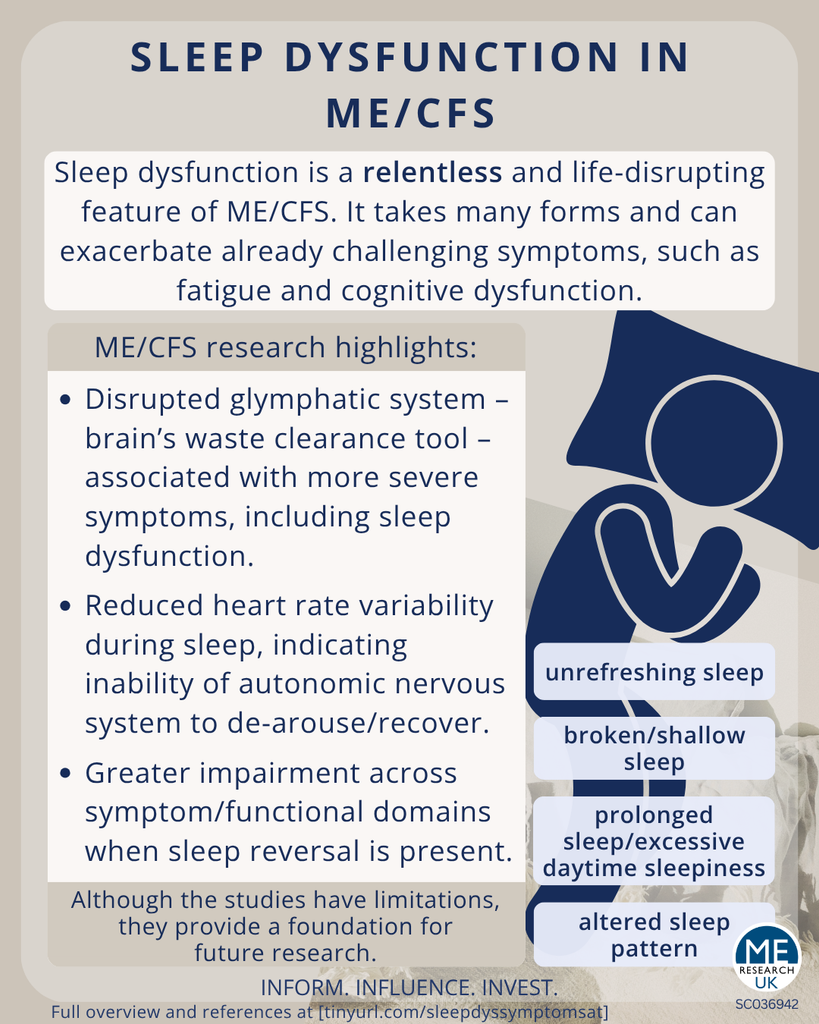
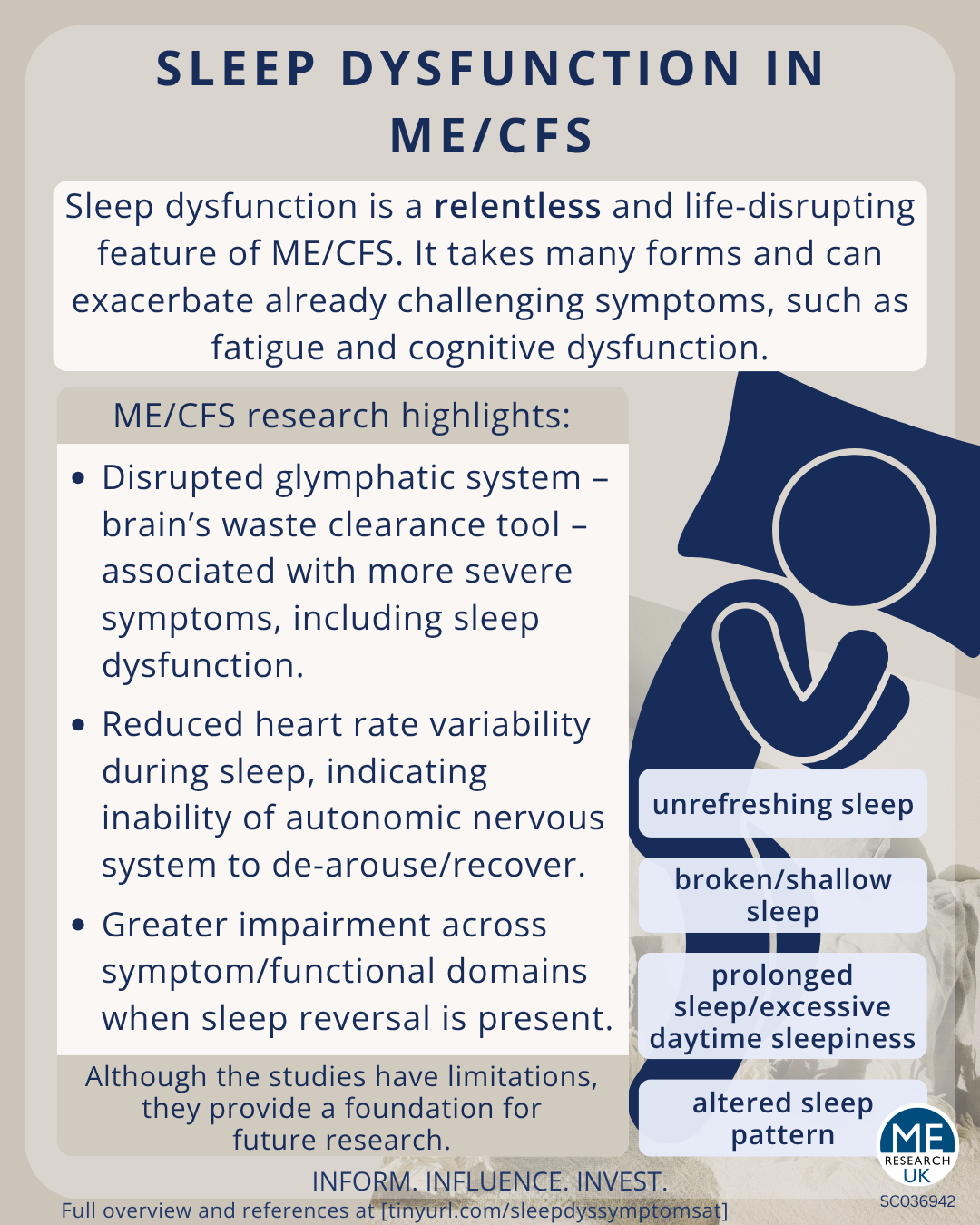
Sleep is essential for restoring and repairing the body and brain. However, sleep dysfunction is a core symptom of ME/CFS. Research indicates that sleep in ME/CFS is frequently unrefreshing, fragmented, and prone to disruptions in quality.
A neuroimaging study found differences in an area of the brain known as the medial pre-frontal cortex correlating with severity of sleep difficulties. Furthermore, a preliminary study demonstrated dysfunction of glymphatic system (brain waste clearance system) which correlates with greater symptom severity, including sleep and cognitive impairment. Additionally sleep difficulties in ME/CFS may involve disruptions in certain sleep rhythms, reduced slow-wave (deep) sleep, and sleep reversal (particularly in severely affected individuals).
Autonomic nervous system dysfunction also may play a role, with studies showing an inability of the autonomic system to properly de-arouse during deeper sleep stages, potentially contributing to unrefreshing sleep.
Additionally, co-occurring sleep disorders such as sleep apnoea and periodic limb movement disorder may be present, compounding sleep difficulties experienced by those with the disease.
Read comprehensive overview of sleep dysfunction including research study breakdown
Fatigue
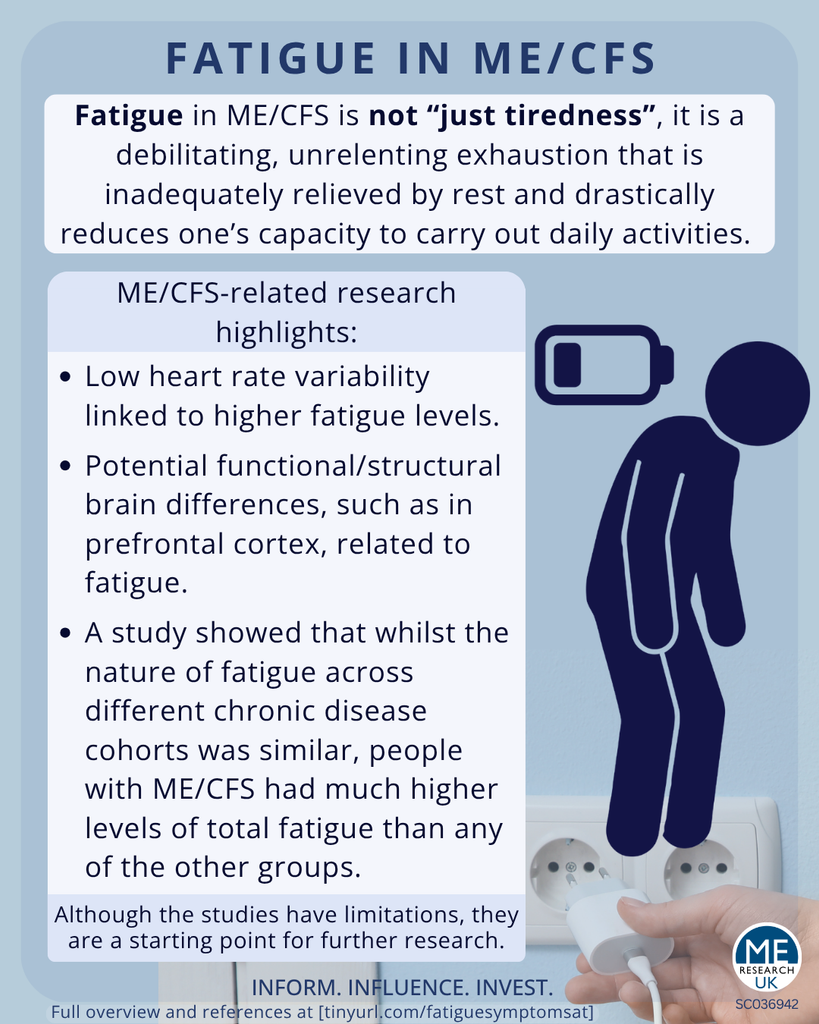
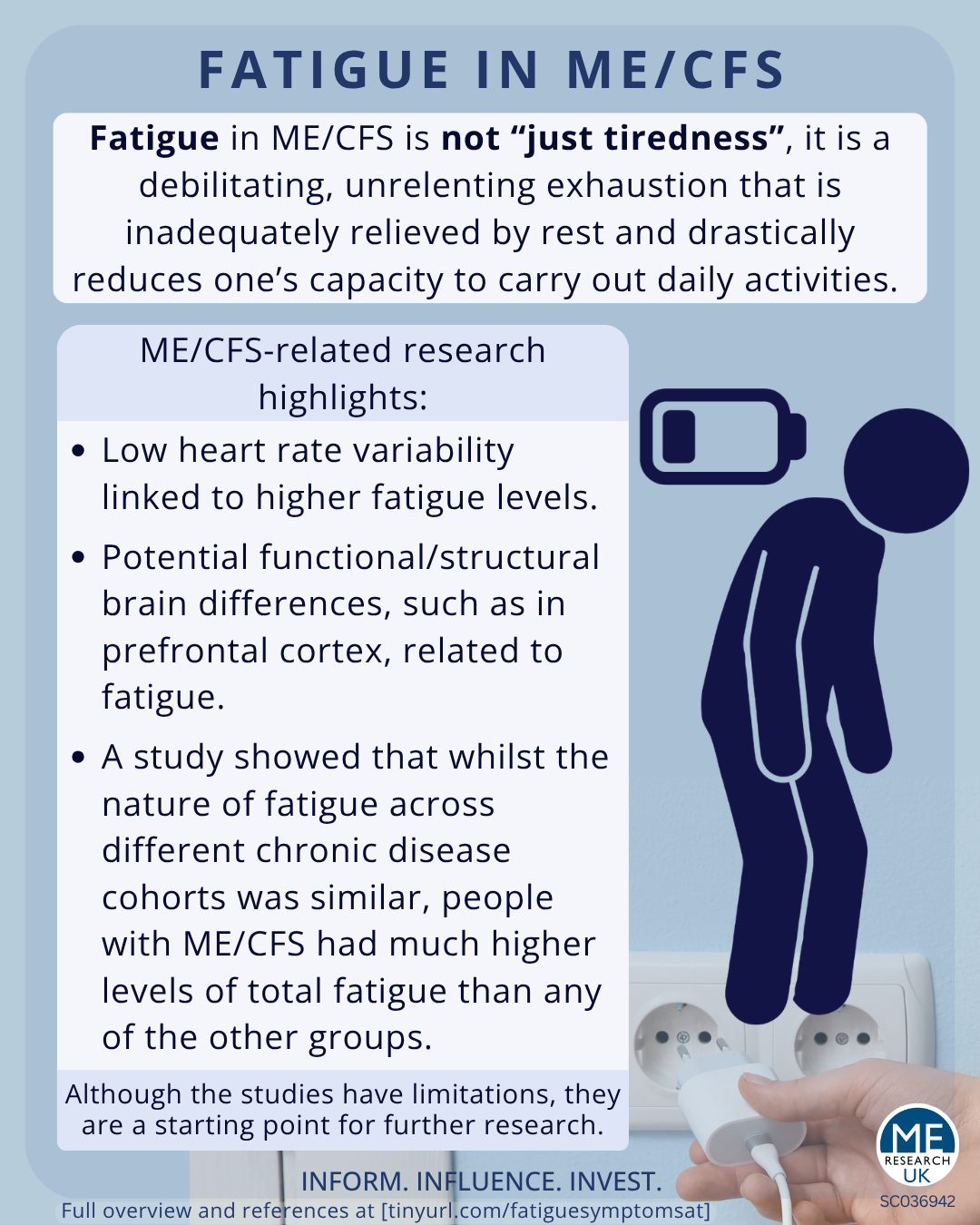
Whilst fatigue is a symptom shared by many conditions, its presence in ME/CFS is particularly debilitating, with a comparative study showing that individuals with ME/CFS experience significantly higher total fatigue levels than those in other chronic disease groups. As many ME/CFS symptoms are non-specific, identifying the cardinal feature of post-exertional malaise (PEM) can help distinguish ME/CFS from overlapping conditions.
Autonomic nervous system dysfunction may play a role, with factors such as low heart rate variability (HRV) potentially linked to higher fatigue levels. Additionally, neuroimaging studies suggest that fatigue could be associated with structural and functional brain differences, such as reduced volume in the dorsolateral prefrontal cortex.
Other key areas of investigation in relation to fatigue include potential genetic variations and gut microbiome differences.
Read comprehensive overview of fatigue including research study breakdown
Conclusion
ME/CFS is a complex disease involving multiple symptoms, and the growing body of evidence highlights many physiological differences – from autonomic dysfunction and neuroinflammation to mitochondrial and metabolic disruptions – that validate the profound reality of the disease. As research continues, the hope is that these insights will pave the way for better diagnostic tools, clearer biomarkers, and targeted treatments.