

Researchers
Dr Fatima Labeed and Dr Jackie Cliff
Institution
Brunel University of London, UK
Start date
August 2025
Funding
Joint funding from ME Research UK and the ME Association
Background
There is currently no widely available, accurate diagnostic marker for ME/CFS. However, growing evidence suggests that the electrical characteristics of white blood cells could form the basis of a low-cost, reliable diagnostic test for the disease.
In 2019, Prof. Ron Davis and his team in the USA developed a nanoelectronics test that found a difference in the impedance (i.e. the electrical characteristics) of white blood cells taken from people with ME/CFS compared with those from control subjects.
In 2023, this work was continued by Prof. Robert Dorey, Dr Fatima Labeed, Krista Clarke and colleagues at the University of Surrey, in a study jointly funded by ME Research UK and the ME Association.
Krista talks more about their initial findings in this article, in which she explains that white blood cells from people with ME/CFS, people with multiple sclerosis and healthy volunteers were put into a salty solution for one-and-a-half hours. The change in the electrical properties of these cells after the salt treatment was significantly different in the ME/CFS samples compared with the other groups, supporting their potential as a diagnostic tool.
Two biomarkers showed particular potential for distinguishing ME/CFS patients from other groups: cytoplasm conductivity and zeta potential. Very simply put, cytoplasm conductivity is an indicator of how easily electrical current can flow within a cell, while zeta potential is related to the electrical force needed to move a charge across the cell membrane.
Objectives
This new study moves the research to Brunel University London, but still involves some core members of the original team. The researchers plan to refine and expand the initial work, to give deeper insights into the biology of ME/CFS, and to move us closer to a reliable and low-cost diagnostic test.
They aim to:
- test a larger, more diverse group of patients;
- improve how samples are prepared and tested to make the results more accurate and easier to obtain, including characterising differences between fresh and frozen samples;
- compare blood cells from people with ME/CFS, those with long COVID, those with multiple sclerosis and healthy volunteers; and
- explore how ion channels and plasma ions affect these electrical differences, and test whether a treatment called low-dose naltrexone can help.
The researchers will use frozen blood samples from the UK ME/CFS Biobank at the London School of Hygiene and Tropical Medicine, collected from people with ME/CFS (including some with long COVID), people with multiple sclerosis and healthy controls. Fresh samples will also be collected from people with ME/CFS. Additional analyses will compare samples from people with ME/CFS post-COVID collected at baseline and after treatment with low-dose naltrexone, to assess any impact of this treatment.
Potential benefits
The team hopes this work will bring us closer to a diagnostic biomarker for ME/CFS, “allowing reliable identification of the disease at an early stage” and demonstrating “a physical underlying change from normal physiology that marks ME/CFS as a physiological disease”.
Optimising the methodology will mean they are able to test more samples more efficiently, allowing even larger trials in the future to assess sensitivity and specificity, and bringing us closer to a low-cost, reliable diagnostic test.
The research will also look at the reasons behind the electrical changes seen, advancing our understanding of the underlying biology of ME/CFS.
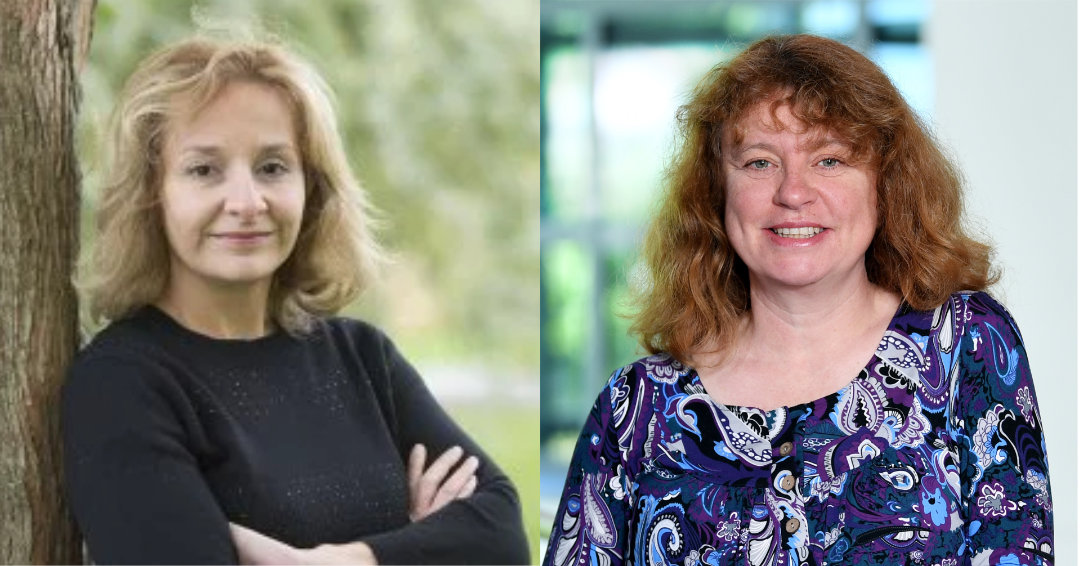
“This is an exciting opportunity to combine our expertise in ME/CFS and biomarker development research. Both our groups have previously characterised differences in cells from people with ME/CFS, and the electrical properties identified could potentially form the basis of a diagnostic test for ME/CFS.
“This grant will enable us to try the test across an extended cohort of UK ME/CFS Biobank samples to validate its utility, and to optimise the laboratory testing process so that it can readily be deployed clinically on a larger scale. We will also investigate the biological basis for the electrical changes, as this could provide scientific leads to help researchers develop new treatments.”
Dr Fatima Labeed and Dr Jackie Cliff
